Jorge Nguiraze is a Full-Stack Web Developer, Backend Engineer, and Database Administrator with a background in Computer Engineering from Zambeze University. He specializes in building scalable web applications, APIs, and data-driven systems that support modern digital platforms.
With over four years of experience in software development, Jorge focuses on backend architecture, system integration, and database optimization. His work includes designing secure APIs, developing robust server-side logic, and managing relational databases to ensure high performance and reliability.
Currently working at Equip Mozambique, he contributes to the development of critical systems in sectors such as ERP, agribusiness, fleet management, and healthcare. Passionate about technology and problem solving, Jorge is committed to creating efficient digital solutions that help organizations improve operations and scale their platforms.
+258 845640694
jjnguirazej@gmail.com
Beira, Ponta Gea
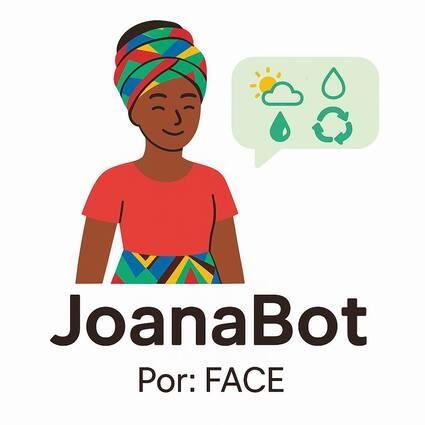
JoanaBot – Chatbot for Climate Resilience
Developed as a technological solution for the city of Beira , JoanaBot is a conversational AI assistant on WhatsApp designed to democratize access to climate data and environmental education. The project transforms complex meteorological information into accessible, real-time insights to help the community prepare for extreme weather events.
Client
Start Date
Description
JoanaBot is an AI-powered WhatsApp virtual assistant developed to help communities in Beira, Mozambique access and understand climate information in a simple and conversational way. The project focuses on democratizing access to meteorological data, allowing residents to receive forecasts, alerts, and environmental insights directly through WhatsApp. By transforming complex climate data into accessible information, JoanaBot supports community resilience and helps people make informed decisions during climate-related events.
Project Design & Architecture: Designed the chatbot architecture, defining the user interaction flow and conversational logic to ensure an intuitive experience for WhatsApp users.
Backend Development: Implemented the core backend logic responsible for processing user messages, managing chatbot responses, and handling AI-based conversation flows.
API Integrations: Integrated meteorological APIs to provide real-time weather information, forecasts, and climate alerts relevant to the Beira region.
Team Coordination: Led a multidisciplinary team of developers, AI specialists, and designers, ensuring efficient collaboration and successful project delivery.
Location-Based Forecasts: Provides personalized weather forecasts based on specific neighborhoods (Bairros) in Beira.
7-Day Weather Outlook: Allows users to plan their weekly activities with detailed forecasts including temperature, humidity, and wind conditions.
Real-Time Climate Alerts: Sends immediate notifications for extreme weather events such as heavy rain, storms, or cyclones using keywords and visual indicators.
Educational Environmental Insights: Provides explanations of climate variables such as humidity, temperature, and air quality while offering practical environmental tips.
Historical Climate Data: Enables users to access past climate patterns to better understand seasonal trends and make informed decisions.
Continuous AI Learning: Uses an AI-driven backend that improves responses over time by analyzing user interactions and conversation patterns.
Backend Development: Python and Node.js were used to build the chatbot logic, handle data processing, and manage API communication.
Natural Language Processing: NLP techniques were implemented to interpret user queries and generate contextual responses.
Messaging Platform: Integrated with the WhatsApp Business API to enable conversational interaction directly through WhatsApp.
Climate Data APIs: Meteorological APIs were integrated to provide real-time weather forecasts and climate alerts.
Cloud Infrastructure: Cloud-based deployment was used to ensure scalability, reliability, and continuous availability of the chatbot service.
Version Control: Git and GitHub were used for collaborative development, version management, and project tracking.
Community Climate Awareness: Simplifies complex meteorological data into accessible conversations that help communities better understand climate conditions.
Disaster Preparedness: Supports early awareness of extreme weather events, helping communities prepare for situations such as heavy rainfall or cyclones.
Empowering Digital Leaders: Encourages young digital leaders to act as knowledge multipliers within their communities by sharing reliable climate information.
Your email address will not be published. Required fields are marked *